The Thrill of Uncertainty
The psychology of casino gambling is deeply intertwined with the thrill of uncertainty. For many, the allure lies in the unpredictability of outcomes, which triggers a unique psychological response. The anticipation that comes before a roll of the dice or the flip of a card creates a rush of adrenaline that can be incredibly addictive. Research suggests that this thrill not only heightens excitement but also enhances the experience of winning when it occurs, reinforcing the desire to gamble more frequently, especially when considering options like online pokies australia payid that add to the overall excitement. This sensation becomes a powerful motivator, drawing individuals back to the casino for the chance to experience that adrenaline rush once again.
Moreover, the human brain is wired to respond favorably to uncertainty. The variable reward system, associated with gambling, taps into this biological predisposition, activating the brain's pleasure centers much like substances like drugs or alcohol do. This response can lead to a cycle where the gambler returns to the casino seeking that euphoric feeling, often ignoring the potential negative outcomes. The steady stream of wins—however small—can create a psychological dependency that is hard to break, making gambling not just a pastime but a compulsion. Understanding this can illuminate why some individuals find it difficult to set limits on their gambling activities.
This relationship with uncertainty explains why many gamblers might disregard the odds stacked against them. Cognitive biases, such as the illusion of control, often emerge, leading players to believe they can influence outcomes in games that are purely chance. This reinforces their habits, as they focus on their successes rather than their losses. Over time, this mindset can alter their perception of risk, enhancing the desire to engage in gambling behavior despite previous experiences that should discourage it. The compulsion to gamble can become a cycle that is difficult to escape, rooted in the psychological thrill that uncertainty brings.
The Social Dynamics of Gambling
Casino environments are often vibrant social hubs that cater to a diverse crowd, further influencing gambling behaviors. Many individuals are drawn to the camaraderie experienced among fellow gamblers, leading to a sense of belonging and shared experience. This social aspect can intensify the thrill of gambling, as players encourage one another, sharing in both victories and defeats. The communal aspect of gambling can often dilute personal accountability, making it easier for individuals to engage in habitual behaviors without recognizing the extent of their impact. The social interactions can create an environment where gambling becomes a collective activity, reinforcing behaviors that might otherwise be questioned.
Social interaction also plays a critical role in reinforcing gambling habits. Gamblers may find themselves gravitating towards certain games or activities because of the people involved, rather than the game itself. This camaraderie can lead to a culture of gambling where frequent participation becomes the norm. Additionally, the availability of group-oriented games, such as poker and bingo, fosters interaction among players, which can lead to prolonged gambling sessions, further entrenching individuals in their habits. The social dynamics can mask detrimental behaviors, creating a false sense of normalcy around gambling activities.
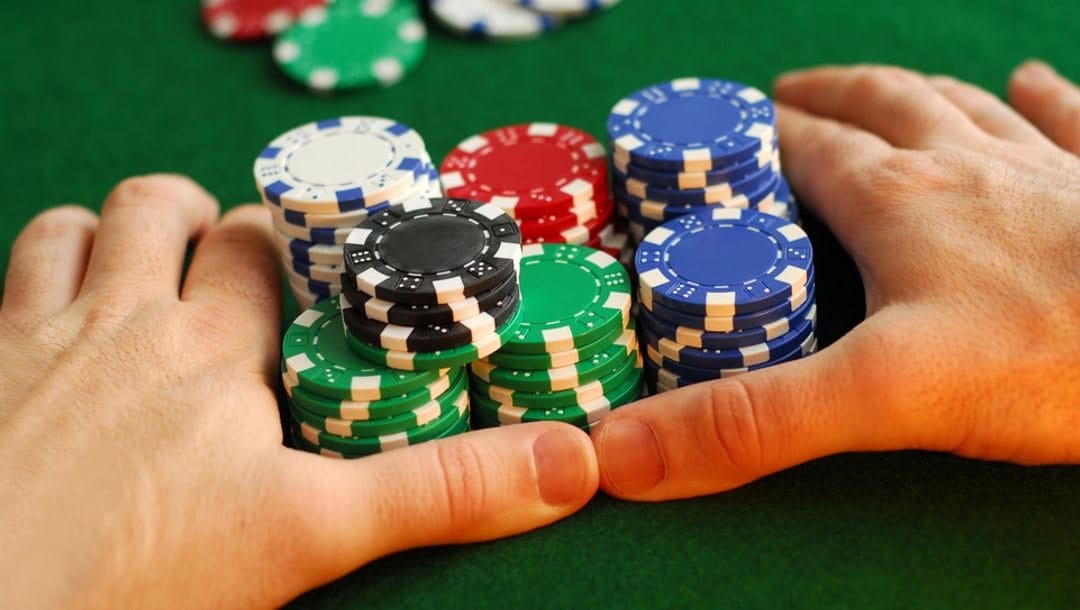
The impact of social media cannot be ignored either, as it has opened new avenues for individuals to engage with gambling communities. Online platforms allow for sharing experiences, tips, and even bragging about wins, creating an online identity linked to gambling success. The need for social validation can push individuals to gamble more, as they seek to maintain or enhance their standing within these digital communities. Therefore, the interplay between social dynamics and gambling habits is intricate and multifaceted, significantly influencing player behavior and often perpetuating gambling as a core social activity.
Emotional and Psychological Triggers
The emotional state of an individual can heavily influence gambling habits. Many gamblers use gambling as an escape from stress, loneliness, or boredom. The casino environment, filled with lights, sounds, and the promise of excitement, can provide a temporary distraction from everyday concerns. This emotional regulation can lead to habitual gambling, where players continuously seek out these experiences to cope with negative feelings. Over time, this reliance on gambling as an emotional outlet can develop into a maladaptive coping mechanism that exacerbates the very issues it was initially sought to escape.
Furthermore, feelings of loss can be particularly powerful triggers for gambling behavior. Gamblers may experience a phenomenon known as "chasing losses," where they continue to gamble in an attempt to recoup lost money. This behavior can stem from cognitive dissonance, where individuals find it difficult to accept their losses and, therefore, feel compelled to keep playing despite the odds not being favorable. This cycle can lead to significant financial and emotional distress, indicating a clear need for understanding and intervention. Recognizing these triggers is crucial for individuals as they navigate their gambling habits.
Interestingly, the role of advertisement and marketing strategies employed by casinos can also play into emotional triggers. Promotions that are tied to emotional appeals, such as feelings of nostalgia or triumph, can draw individuals into gambling activities. These marketing strategies often highlight past winners, reinforcing the idea that anyone can achieve success, which can be a tantalizing lure for individuals seeking a way out of their emotional struggles. The complex interrelationship between emotions, gambling triggers, and external influences creates a rich tapestry of behavioral patterns that are worth exploring further, especially in the context of responsible gambling practices.
The Impact of Environment on Gambling Behavior
The physical and psychological environment of a casino plays a crucial role in shaping gambling habits. Casinos are designed to maximize engagement and minimize the potential for rational decision-making. Bright lights, appealing sounds, and comfortable seating all contribute to an atmosphere that encourages prolonged gambling sessions. This carefully curated environment can impair judgment, making it easy for gamblers to lose track of time and money spent. The ambient nature of these venues can transform the gambling experience into a heightened state of euphoria, further embedding these habits into a person's routine.
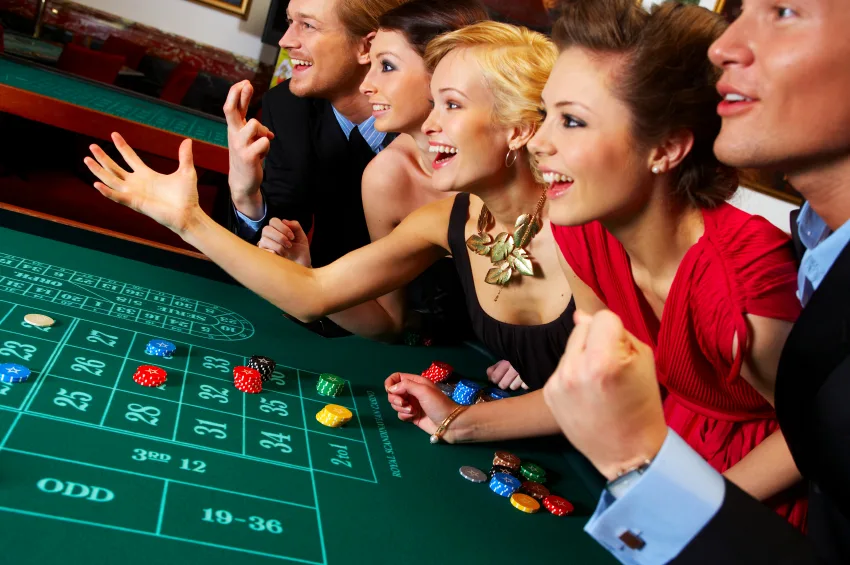
The layout of casinos is also a significant factor in influencing behavior. Games are typically arranged in a way that creates a flow, encouraging players to move from one activity to another. This design not only facilitates continuous play but can also make it difficult for individuals to step away and reassess their gambling habits. The ease of access to various games can lead to spontaneous betting, which can exacerbate habitual gambling behaviors, making it vital for individuals to cultivate self-awareness in these settings. The casino environment is intentionally designed to captivate and hold attention, which can further complicate a gambler's ability to make sound decisions.
Moreover, social cues within the casino environment can reinforce gambling behavior. Observing others winning can incite a sense of competition among players, prompting them to continue betting in hopes of achieving similar success. This behavior can create a sense of urgency and excitement, pushing players further into the grips of gambling addiction. Understanding how the casino environment impacts individual behavior is essential for both gamblers and those looking to intervene, highlighting the need for strategies to mitigate risks associated with gambling. Awareness of these factors can empower individuals to engage more consciously with their gambling practices.
Seeking Help: Understanding Gambling Habits and Recovery
Recognizing when gambling habits turn into a problem is crucial for recovery. Many individuals may not initially recognize the warning signs of gambling addiction, which can include emotional distress, withdrawal from social activities, and financial issues. Early intervention is key in addressing these issues, as gambling addiction can impact mental health, relationships, and overall well-being. Awareness of the problem is the first step towards seeking help and adopting healthier coping mechanisms that can replace gambling as a source of relief.
There are numerous support systems available for those grappling with gambling addiction, ranging from therapy to support groups. Cognitive-behavioral therapy (CBT) is particularly effective in addressing the thought patterns that contribute to compulsive gambling. Additionally, peer support groups, such as Gamblers Anonymous, provide a community for individuals to share their experiences and find strength in collective recovery. These resources can offer valuable insights into the nature of gambling behavior and provide essential support for those seeking change. Connecting with others who share similar experiences can create a sense of hope and possibility.
Education is another vital aspect of combating gambling addiction. Understanding the odds, the psychology behind gambling, and the effects of the casino environment can empower individuals to make informed choices. Websites and organizations dedicated to responsible gambling often provide tools and resources aimed at fostering awareness and promoting healthy habits. By equipping individuals with the knowledge necessary to navigate their gambling behaviors, we can create a more informed society that recognizes and addresses the complexities of addiction. Both prevention and intervention strategies are essential for fostering a healthier relationship with gambling.

