The evolution of gambling A historical perspective on games of chance
Origins of Gambling
The origins of gambling can be traced back thousands of years, with evidence dating to ancient civilizations such as the Chinese, Egyptians, and Romans. Early games of chance often involved rudimentary forms of betting on outcomes, whether in dice games or betting on events such as gladiatorial contests. These activities laid the groundwork for what would evolve into more structured forms of gambling, reflecting both societal norms and the human fascination with risk and reward. For those interested in the latest gaming experiences, visiting chicken-road-2.co can provide exciting options.
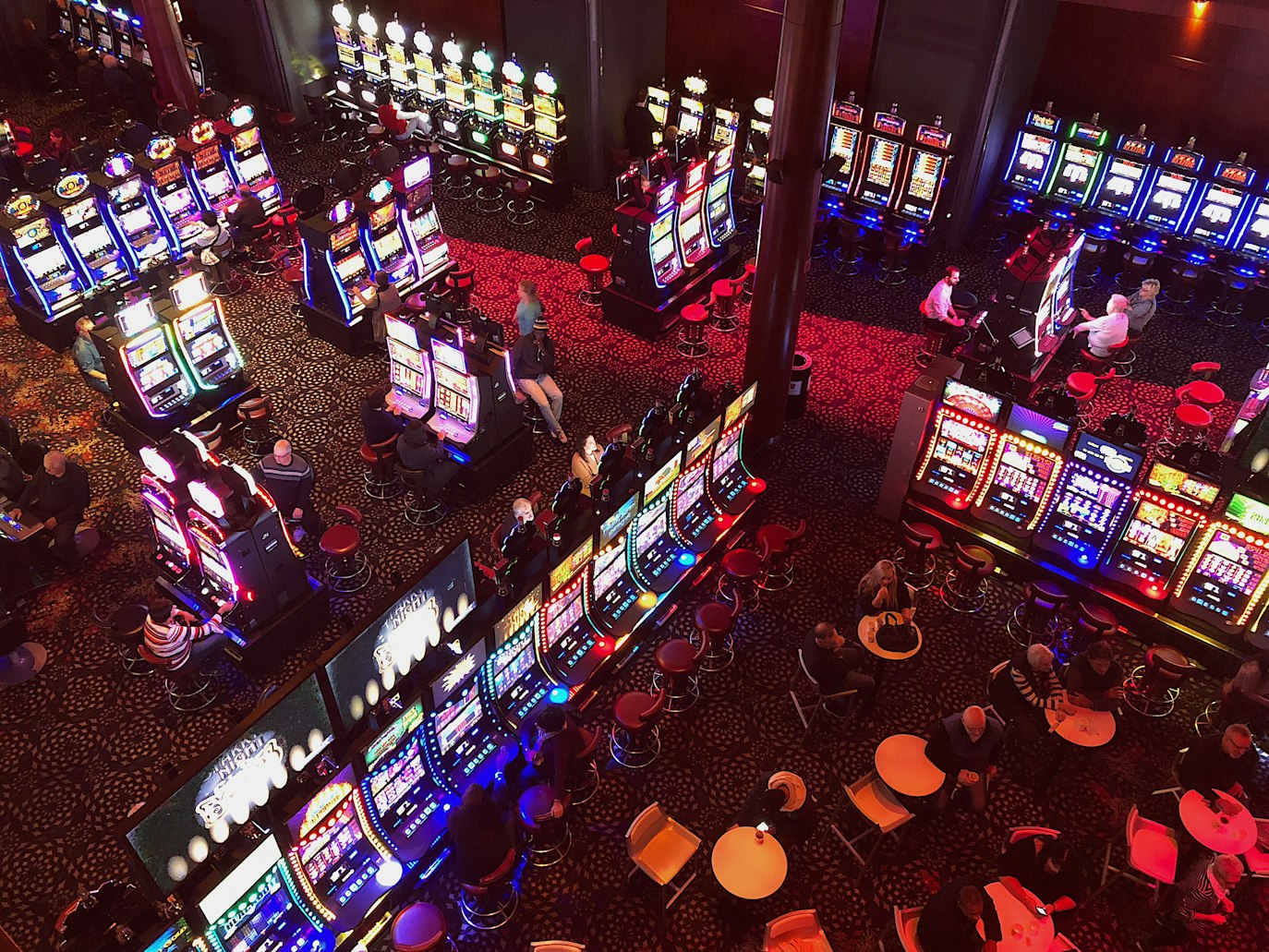
In ancient China, the first known lottery-like game, "Keno," emerged around 205-187 BCE. Its success showcased how gambling could generate revenue for public projects, leading to the official endorsement of gaming activities by various governments. Similarly, in Rome, gambling was popular among the elite and commoners alike, with regulations evolving as a way to manage the growing interest in these games of chance. This historical blend of leisure and potential profit highlights the longstanding significance of gambling in human culture.
Throughout history, gambling has mirrored societal values and changes. For instance, in medieval Europe, gambling was often associated with the nobility and seen as a pastime for the privileged. The rise of card games in the 15th century further transformed the gambling landscape, introducing new strategies and elements of skill. Understanding the early contexts of gambling allows us to appreciate the deeper motivations and consequences that have shaped its evolution through the ages.
The Rise of Casinos
The modern casino as we know it began to take shape in the 17th century in Italy, with establishments like the Ridotto, which hosted various games in a regulated environment. This marked a shift from informal gatherings to formal gambling venues, allowing for a structured approach to games of chance. As gambling became more organized, it attracted a broader audience, leading to the expansion of similar venues across Europe.
The 18th and 19th centuries saw the emergence of casinos in prominent cities like Paris and Monte Carlo, where the allure of glamour and sophistication transformed gambling into a prestigious activity. The invention of roulette and baccarat during this period also contributed to the cultural cachet of casinos, drawing in patrons from diverse social backgrounds who were eager to partake in the thrill of chance. This blending of social experience and economic opportunity played a crucial role in the popularization of gambling as a mainstream entertainment option.
In the United States, the legalization of gambling in various forms during the 20th century, particularly the rise of Las Vegas, solidified the casino's place in modern culture. Iconic establishments began to flourish, each offering a unique combination of gaming, dining, and entertainment. This evolution reflects not only changes in public perception of gambling but also the broader economic impacts that such venues can have on local and national economies, showcasing the complex relationship between gaming and society.
Technological Advances and Online Gambling
The advent of technology has significantly influenced the gambling landscape, especially with the introduction of the internet. The early 1990s marked the beginning of online gambling, with the launch of the first online casinos. This innovation drastically changed how players interacted with games of chance, offering convenience and accessibility that traditional casinos could not provide. The online gambling industry quickly gained traction, appealing to a demographic that favored the privacy and comfort of home gaming.
As technology advanced, so did the sophistication of online gaming platforms. The development of secure payment methods and user-friendly interfaces enhanced player experiences, leading to a surge in participation. Mobile technology has further revolutionized gambling, allowing players to access their favorite games on smartphones and tablets. This shift not only expanded the audience but also diversified the types of games available, from traditional table games to innovative slots and live dealer experiences.
However, the rise of online gambling has also raised questions regarding regulation, addiction, and consumer protection. Governments around the world have grappled with how to manage this burgeoning industry, leading to varied approaches in different jurisdictions. As the landscape continues to evolve, the balance between fostering innovation and ensuring responsible gaming practices remains a central concern for regulators and operators alike.
The Cultural Impact of Gambling
The cultural implications of gambling are profound, influencing art, literature, and social norms across societies. From classic novels depicting the struggles of gamblers to modern films showcasing the high-stakes thrill of casino life, the narrative surrounding gambling reflects a fascination with luck, chance, and human behavior. This cultural tapestry paints a vivid picture of how gambling intersects with our collective consciousness, often symbolizing the tension between risk and reward.
Moreover, gambling has often served as a mirror to societal values and ethics. In many cultures, it embodies both the allure of fortune and the potential for ruin, prompting discussions around morality and responsibility. As attitudes towards gambling shift—particularly with the legalization of sports betting and online casinos—there is a growing recognition of its role in entertainment and community engagement, paving the way for new forms of social interaction.
The increasing acceptance of gambling, especially in mainstream media, also poses challenges and opportunities for societal norms. As it becomes more integrated into everyday life, understanding the cultural ramifications of gambling will be vital in navigating its future trajectory. As communities adapt to these changes, the dialogue surrounding responsible gambling and its implications for public health will continue to grow in significance.

Exploring Future Trends in Gambling
The future of gambling appears poised for continuous evolution, shaped by technological advancements, cultural shifts, and regulatory changes. Innovations such as virtual reality and augmented reality are set to redefine the gaming experience, offering immersive environments that could mimic the thrill of traditional casinos. This integration of technology stands to attract a new generation of players seeking dynamic and engaging experiences.
Additionally, the integration of data analytics and artificial intelligence into gambling platforms is revolutionizing how operators understand player behavior. These technologies can help create personalized gaming experiences, enhancing customer satisfaction and retention. As these trends develop, they will likely influence the broader landscape of gambling, further blurring the lines between entertainment and technology.
However, with these advancements come challenges, particularly concerning regulation and responsible gambling practices. As the industry expands, the importance of implementing effective measures to protect vulnerable populations becomes increasingly critical. The future will require a balance between innovation and responsibility, ensuring that gambling remains a safe and enjoyable form of entertainment for all.

