Understanding the psychological factors that drive casino behavior
The allure of gambling and excitement
The world of casinos is often wrapped in a veil of glamour and excitement, drawing players in with promises of fortune and entertainment. This allure is rooted in the psychological thrill associated with risk-taking. The unpredictability of outcomes in casino games activates the brain's reward system, releasing dopamine and creating feelings of pleasure and excitement. Many new players, therefore, are enticed by the Golisimo bonus that enhances their initial engagement with the games, making them eager to participate and experience that next rush.

Moreover, the sensory experience within casinos plays a crucial role in shaping behavior. The vibrant lights, lively sounds, and dynamic atmosphere create an immersive environment that captures attention and heightens emotional responses. Such stimulation can lead to a temporary escape from reality, making the gambling experience even more enticing for players.
The role of cognitive biases in gambling
Cognitive biases significantly influence how players perceive their chances of winning and losing. One common bias is the illusion of control, where gamblers believe they can influence the outcome of a game despite the inherent randomness. This misconception fuels continued play, as individuals often underestimate the odds stacked against them.
Another prevalent bias is the gambler’s fallacy, where players mistakenly think that past events will affect future outcomes. For example, if a player witnesses a series of losses, they may believe that a win is "due." This flawed reasoning can lead to prolonged gambling sessions, further entrenching the behavior and often resulting in substantial financial losses.
The impact of social factors on casino behavior
Social interactions within casinos also drive gambling behaviors. Many players enjoy the camaraderie that comes from sharing experiences with friends or engaging with others at gaming tables. This social aspect can enhance the enjoyment of the activity, making it more appealing and encouraging repeat visits.
Furthermore, peer pressure can play a significant role. Individuals may feel compelled to gamble to fit in or impress others, especially in social settings where gambling is the norm. The desire for acceptance can overshadow personal risk assessments, leading to behaviors that might not align with an individual’s typical decision-making process.
Addiction and the psychological consequences of gambling
The psychological consequences of gambling can be profound. For some, the initial thrill of winning can quickly evolve into a compulsive behavior, leading to addiction. Gambling addiction is characterized by an inability to control gambling habits, often resulting in devastating consequences for personal finances, relationships, and mental health.
Understanding the psychology behind gambling addiction is essential for prevention and treatment. Factors such as emotional distress, impulsivity, and environmental triggers can contribute to this cycle of behavior. Addressing these underlying issues through therapy and support can help individuals break free from the grip of gambling addiction and regain control over their lives.
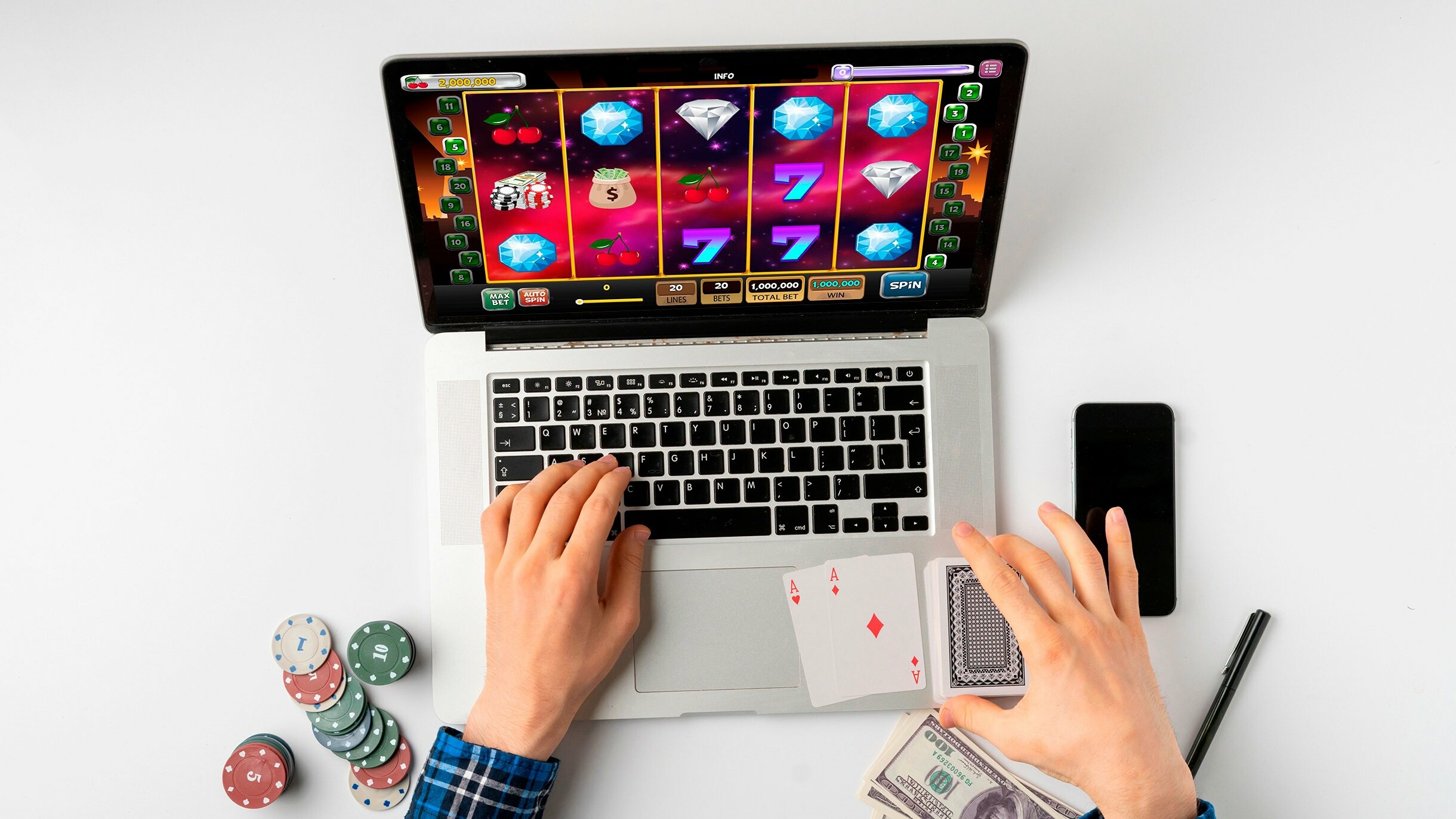
Explore the exciting world of Golisimo
Golisimo offers a unique online casino experience tailored for players in New Zealand. With a wide range of games including slots and live casino options, Golisimo caters to diverse preferences while ensuring a safe and responsible gaming environment. The platform’s innovative features and comprehensive support make it an enticing choice for both new and experienced players.
Additionally, Golisimo places a strong emphasis on user safety and enjoyment, providing robust responsible gaming tools to help players manage their gambling habits. With an attractive welcome package and continuous updates to its game offerings, Golisimo is committed to delivering an exciting and secure gaming experience that aligns with the latest psychological insights into player behavior.

